
Here at Honest Hounds, we are always trying to explain where we sit in the Dog Training Continuum. Everyone wants a label, but we don’t align with ‘force free’ or ‘balanced’ training because we think it’s so much more nuanced than that!
However, the more people that join our community, the more we are seeing the same stories - people who are adding more corrections and more confusion to their dogs, when what they really want is a stronger partnership and more trust in each other.
But here’s the key bit we wish everyone understood…
Correcting your dog will not make them optimistic about other dogs… and why would it?
How Corrections Get Us Stuck
A lot of the dog world is suggesting we correct reactivity, and when you’re a newbie, it kind of makes sense. I was told to just put an e-collar on my dog and to ‘communicate’ with him by correcting him at a high level. It was explained that I would not need to do it forever because once he understood that this was not the way he should behave around other dogs he would stop being reactive and then we wouldn’t need to do it anymore… it kind of made sense… until I met Jess P and started to understand the chemistry of the dog (and myself) in these moments and I realised this magic moment I was waiting for where my dog was no longer reactive would never happen.
The e-collar here can be swapped for any form of correction in this concept:
a prong collar
a grot
a bonker (yes, this shockingly seems to be a popular choice with some trainers)
It’s not about the tool, it’s about the intention behind them, and we have to stop and ask ourselves… what are the fallouts of these methods?
Now, if you want your dog to just comply and do less of a behaviour, then corrections for some dogs can work. We can suppress the behaviour and see less of it (although we must also remember that some dogs are going to choose to kick back against this - you can find a whole YouTube video we did on this here.)
Our members want more than just correction and suppression of a behaviour, often they come because it has only got them so far, or they realise that they and their dog are still not happy. So I want to give you some insight, knowledge and power to understand truly how just ‘correcting the dog’ isn’t going to move you to the freedom and choice you likely want them to have.
So, let’s imagine a dog that is reactive to dogs… we can all agree they have a pessimistic mindset, and when they see dogs and have an over-the-top reaction (barking, growling, biting, etc) towards their OWN species, they are being flooded with cortisol and adrenaline (and if you find yourself getting a racing heart, shaking hands or feeling like you need to sit down afterwards you are also getting a release of these chemicals too - not good when we know our dogs can pick up on all of these things).
If we add a correction, a lead pop, a ‘BAD DOG,’ pressure on the prong, etc, we add MORE pessimism and MORE cortisol, and science tells us that if our dogs are already in a negative headspace, we will get even more of this.
So, if you are being told this is a form of ‘communication’, and you want your dog eventually to make their own choices, to feel happy around other dogs and to have true autonomy to be free around other dogs and not regressing… You are being sold a lie.
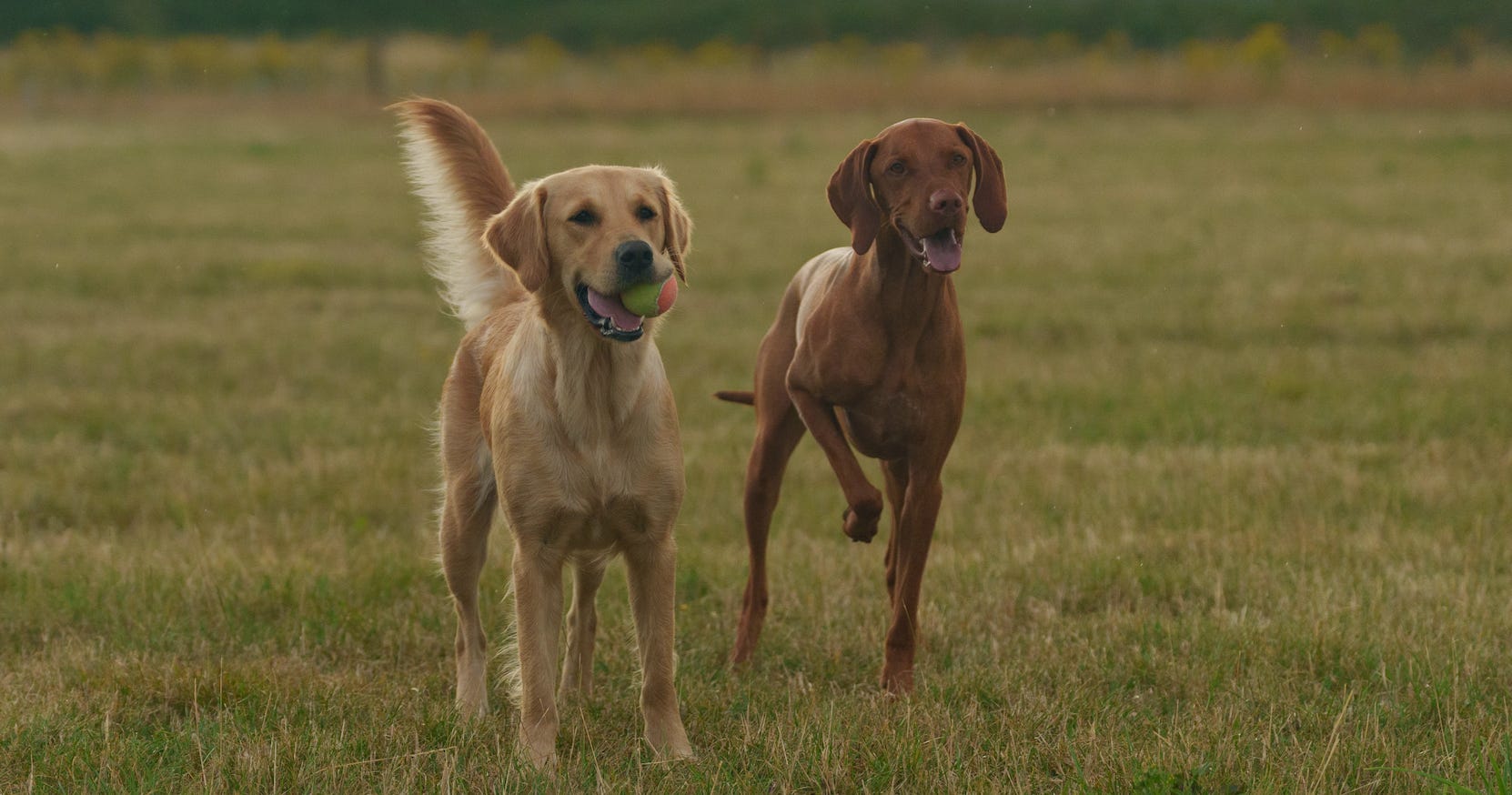
We cannot add more negative chemistry and expect it to lead towards an optimistic dog, we absolutely might see less of the behaviour and we can get our dog heeling past other dogs, doing a downstay or adding in more and more obedience to see less of the reactivity, but if one day your door blows open, the lead is dropped or you get a big fluffy golden run over to your dog, only then will you see the true extent of your progress, and your dog’s mindset shift and I think it’s REALLY important that everyone understands this so they can make their own informed choice about the tools and the training they use.
So, How Do We Get Optimism?
Ok, you’re still reading, and you have decided you want your dog to have autonomy, choice and to work towards them being truly OPTIMISTIC around other dogs, but how the heck do you get it? It’s both simple and incredibly complicated… we have to change their mindset.
We have worked with hundreds of dogs now (thousands if you count Jess P’s experience) and seen this time and time again, so while every dog is different and every journey is unique, there are some key things we can do to start moving away from corrections and towards building optimism and choice in our dogs. We’ve got SO many resources within the community, but if you’re not a member yet, here are a few to get you started.
Start by observing. Ask yourself… what tools am I using, what am I trying to achieve, and what signals am I sending to my dog? Simply asking the question on our Neutral Walks allowed people the time to actually reflect on the thing they had been told to do. It’s ok if this is the choice you want to make, just make sure it’s an informed one.
Corrections are too late. If you are trying to correct a behaviour after it has happened, the horse has already bolted, and your dog isn’t going to learn anything. You are just adding more negative chemistry and more pessimism. This is why we talk a lot about pattern interrupts, pathways and redirecting them to an incompatible behaviour that is much more socially appropriate BEFORE they spill over into an over-reaction. If you’re not sure how to do this, we’ve got a lot of videos and examples to help.
Question your leadership. It’s so important to understand how we are part of the equation. If you don’t trust your dog to make good choices, or you are shaking every time another dog comes near, we need to build your own pathways in a safe place (the neutral and social walks are great for this) so you can feel more confident in handling different situations. You can start by understanding your own human character, and we’ve got a great free webinar you can check out here.
So if you want to start moving away from reactivity or neutrality and towards optimism, come and join the community, ask the questions, look at the dog in front of you and reflect on whether you’re moving towards optimism or just adding more layers of compliance and control.
Got questions about your dog or just want to tell us about your journey? Drop me a message, and I’ll send you some resources for you to get started 🫶
Or…
Jessie
x